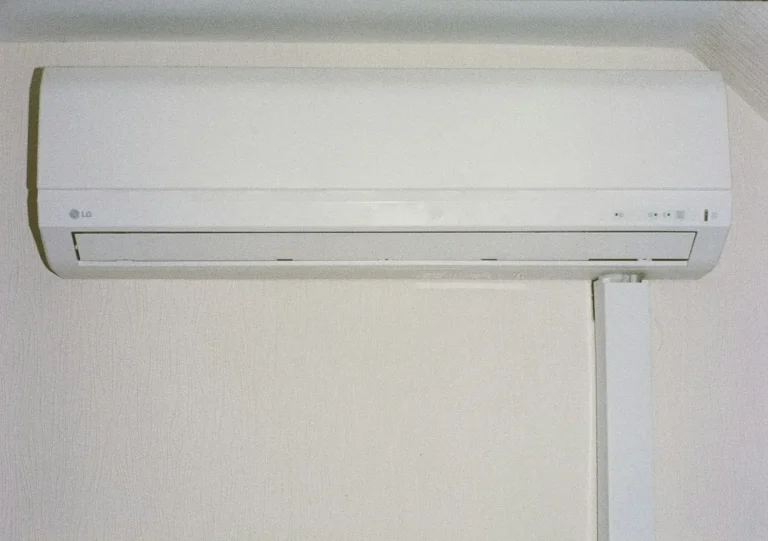
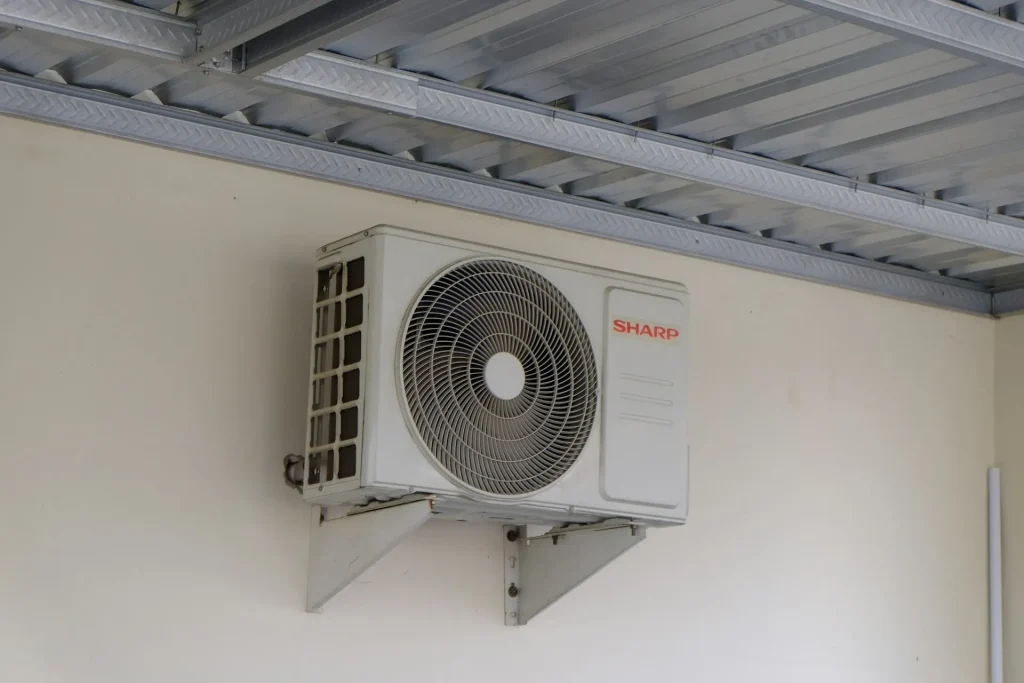
When you start shopping for air conditioning, you’ll see numbers like 2.5 kW, 7.1 kW or 14 kW on every brochure. It’s easy to assume a bigger number means more power use, but that’s not quite right. Here’s what those kilowatt ratings really tell you.
Capacity, not consumption
The headline kW number on an air conditioner is its capacity: how much heat it can move out of a room (cooling) or into a room (heating). A 7 kW system can remove about 7 kilowatts of heat from the space at its rated conditions.
That’s different from how much electricity it uses. The electrical power input is listed separately on the spec sheet and is usually much lower than the capacity, because a heat pump moves heat rather than creating it.
Cooling and heating ratings
Reverse cycle systems have two capacity ratings: one for cooling and one for heating. The heating figure is often a little higher. Check both if you plan to use the system year round.
Minimum and maximum capacity
Inverter systems can run across a range of capacities. A 7 kW unit might run anywhere from a fraction of that up to slightly more, depending on demand. This flexibility is part of why inverter systems are efficient: they slow down once the room reaches temperature rather than switching fully off.
Efficiency ratios
Spec sheets may show efficiency figures that compare the heat moved with the electricity used. The higher the figure, the more efficient the system. The Energy Rating label simplifies this into stars, which makes comparing models easier.
Common sizes and typical uses
- Around 2 to 3.5 kW: small to medium bedrooms and studies
- Around 5 to 7 kW: larger bedrooms, living rooms and small open-plan areas
- Around 8 kW and above: large open-plan living areas
- Ducted systems: commonly from around 10 kW up to 20 kW or more for whole homes
These are rough guides only. The right size depends on your room, windows, insulation and use.
Why rated conditions matter
Capacity ratings are measured under standard test conditions. On a 42-degree Perth afternoon, a system may deliver less than its rated capacity. A good installer allows for local conditions when sizing, rather than relying on the brochure number alone.
A quick worked example
Say you’re comparing two systems for a bedroom. One is rated at 2.5 kW cooling and another at 3.5 kW. If the room is small, shaded and well insulated, the 2.5 kW unit is likely to be plenty. If the room faces west with a big window, the 3.5 kW unit may be the safer choice. The kilowatt number tells you output, but the room tells you what output you need.
Why the input figure matters for your bills
The input power figure tells you how much electricity the system draws when running at its rated output. Two 7 kW systems might have quite different input figures, which means different running costs for the same cooling. Comparing the input figures, along with the Energy Rating label, is a simple way to spot the more efficient model before you buy.
Putting it together
When comparing split system air conditioning quotes, compare capacity first, then efficiency, then features. If two quotes recommend very different sizes for the same room, ask each installer to explain why.
Confused by the specs?
Call My HVAC Experts on 08 6156 7042. We’ll explain the numbers and recommend the right size for your home.
Related reading: Inverter Air Conditioners: Why They’re Now the Default
Frequently asked questions
Does a 7 kW air conditioner use 7 kW of power?
No. The 7 kW figure is the cooling capacity. The electricity used is listed separately as power input and is usually much lower.
Why is heating capacity higher than cooling?
Many reverse cycle systems are rated slightly higher for heating. Check both figures on the spec sheet if heating matters to you.
What does inverter mean for capacity?
Inverter systems can vary their output across a range, slowing down once the room reaches temperature, which improves efficiency.
How do I compare efficiency?
Use the Energy Rating label’s star ratings, or compare efficiency figures on the spec sheet. More stars means more efficient.
Do systems deliver full capacity on very hot days?
Capacity can drop in extreme heat, which is why local conditions should be considered when sizing.