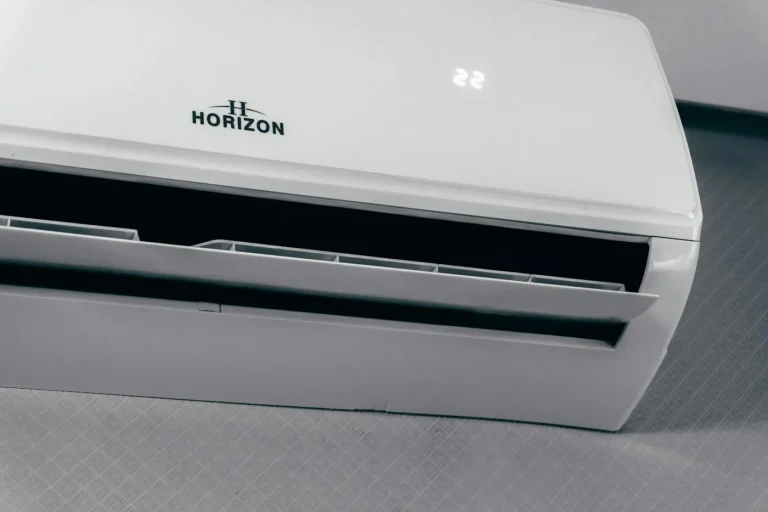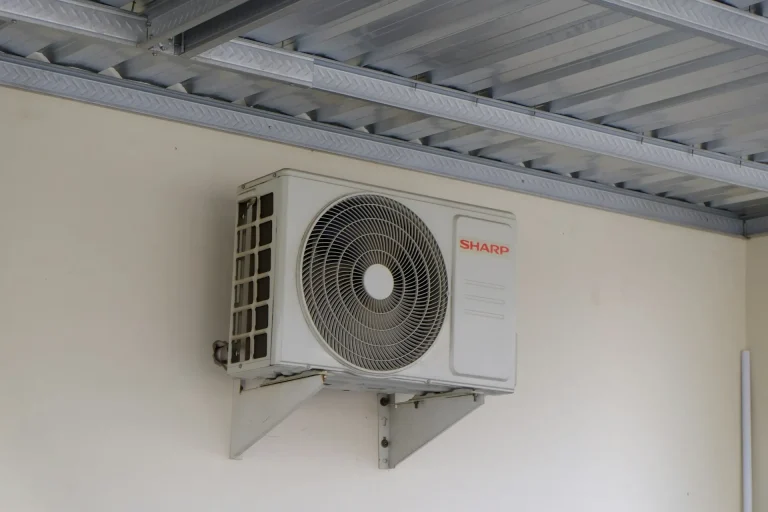

If you’ve shopped for air conditioning recently, you’ll have noticed the word inverter everywhere. It’s become the standard for split and ducted systems. Here’s why.
How older systems worked
Older, non-inverter air conditioners had a compressor that was either fully on or fully off. When the room got too warm, the compressor kicked in at full power. When the room reached the set temperature, it switched off. The room temperature swung up and down, and the frequent starts used extra energy.
How inverters work
Inverter systems control the speed of the compressor. They run harder at first to cool the room quickly, then slow down to a lower speed to maintain the temperature. Instead of switching on and off, they keep running gently, adjusting to demand.
The benefits
- Lower energy use: less wasted energy from constant stopping and starting.
- More stable temperatures: fewer hot and cold swings.
- Quieter operation: lower speeds mean less noise, especially at night.
- Less wear: fewer hard starts can be easier on components.
- Better humidity control: longer, steady running helps remove moisture.
Are there downsides?
Inverter systems use more complex electronics, which can make some repairs more expensive. In coastal areas, electronics in outdoor units can be affected by salt and moisture over time, so placement and servicing matter. For most homes, the benefits easily outweigh these drawbacks.
Getting the most from an inverter
Because inverters are most efficient when running steadily, it’s often better to set a sensible temperature and leave the system running during the hottest part of the day than to turn it on and off repeatedly. Use timers to start cooling before you get home.
What it feels like in the room
With an older fixed-speed system, you often notice the cycle: a blast of cold air, then the compressor stops and the room slowly warms until it kicks in again. With an inverter, the system ramps down once the room is comfortable and keeps ticking over at low speed. The temperature stays steadier and the noise is usually lower.
Getting the most from an inverter
- Set a sensible temperature and leave it, rather than switching on and off constantly
- Use timers to start before you need the room
- Keep filters clean so the system doesn’t have to work harder
- Close doors to the room being cooled
- Avoid setting very low temperatures that keep it running at maximum
Inverters reward steady, sensible use.
Are there any downsides?
Inverter systems contain more electronics than older fixed-speed units, so a fault in a control board can be more involved to repair. In practice, most homeowners find the efficiency and comfort well worth it, and regular servicing helps keep the electronics in good condition, especially in coastal suburbs.
Inverters and Perth’s long summers
Perth summers are long, with many days in the thirties and regular runs above 40. Systems here run for many more hours than in milder cities, so efficiency matters more. An inverter that spends most of its time ticking over at part load, rather than starting and stopping, uses less energy over a season. For households that run cooling most afternoons from December to March, that difference adds up.
Replacing a non-inverter system
If you have an older non-inverter system, upgrading to a modern inverter split system air conditioning can improve comfort and reduce running costs. We’ll check whether existing pipework can be reused or should be replaced.
Thinking of upgrading?
Call My HVAC Experts on 08 6156 7042 to talk about replacing an older system.
Related reading: Energy Star Ratings on Air Conditioners: What the Label Tells You
Frequently asked questions
What is an inverter air conditioner?
It’s a system that varies its compressor speed to match demand, rather than switching fully on and off.
Are inverter air conditioners more efficient?
Generally, yes. Running at variable speed reduces wasted energy and keeps temperatures more stable.
Are inverters quieter?
Usually. Running at lower speeds once the room is comfortable reduces noise.
Should I turn my inverter off when I leave a room?
For short absences, it can be more efficient to leave it running at a sensible temperature. For longer periods, turn it off or use a timer.
Can I still buy non-inverter systems?
They’re much less common now. Most new split and ducted systems are inverters.