Most people don’t think about noise until they’re lying awake listening to the air conditioner hum, or a neighbour complains about the outdoor unit. Here’s what makes systems noisy and how to choose a quieter setup.
Indoor unit noise
Indoor units make noise from the fan and air moving through the louvres. Quieter models have lower decibel ratings, especially on low fan speeds. Night or quiet modes can reduce noise further.
Outdoor unit noise
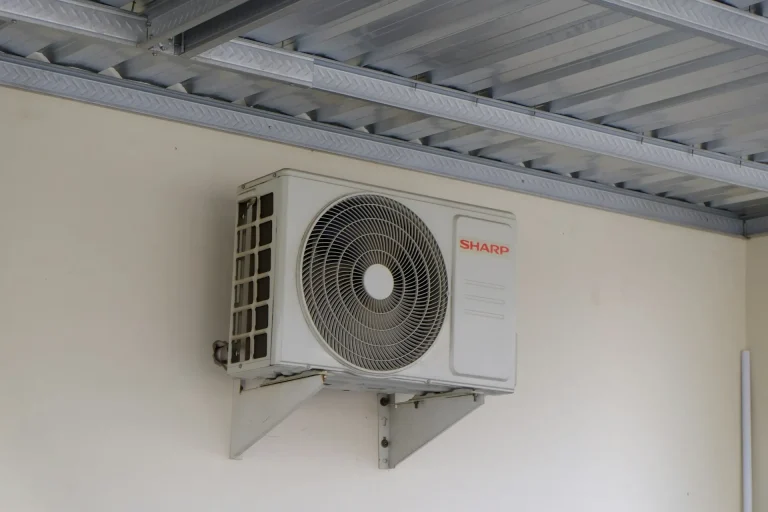
Outdoor units have a compressor and fan, which make more noise. Inverter models tend to be quieter, especially when running at lower speeds once the home is comfortable.
Understanding decibels
Noise is measured in decibels (dB). Lower numbers mean quieter. Because the scale is logarithmic, a few decibels can make a noticeable difference. Compare models on low and high fan settings.
Installation causes of noise
- Outdoor units mounted on hollow walls or unstable brackets
- Units placed in narrow spaces where sound echoes
- Loose panels or fittings
- Poorly sized ducts in ducted systems
- Undersized return air grilles
Good installation reduces these issues.
Placement tips
Place outdoor units away from bedroom windows, both yours and your neighbours’. Avoid corners and narrow passages that reflect sound. Use anti-vibration mounts where appropriate.
When a quiet system becomes noisy
If your system has become louder over time, it may need servicing or repair. Rattling, buzzing or grinding can indicate loose parts, a failing fan motor or other issues.
Reading the noise figures
Manufacturers list sound levels for indoor and outdoor units in decibels, often for different fan speeds. Lower is quieter. When comparing models, compare the same fan speed, as a low-speed figure on one model isn’t directly comparable to a high-speed figure on another.
Installation quality matters
A well-made unit can still be noisy if it’s poorly installed. Loose brackets, outdoor units sitting on uneven ground, pipes touching walls and kinked drains can all create noise. Good installation, with level mounting and anti-vibration pads where needed, keeps things quiet.
Common sources of noise
Indoor units can be noisy when fans run at high speed, filters are clogged or louvres rattle. Outdoor units can be noisy because of vibration, worn fan bearings, loose panels or being mounted on a hollow surface that amplifies sound. Compressors in older fixed-speed systems tend to be louder than in modern inverter models.
Choosing a quiet setup
- Pick a model with a low decibel rating at the fan speed you’ll use most
- Place the outdoor unit away from bedrooms and neighbours
- Use solid, level mounting with anti-vibration pads
- Size the system so it can run at low speed most of the time
- Keep filters clean so fans don’t strain
When a quiet system becomes noisy
If a system that used to be quiet becomes noisy, it’s usually a sign something has changed. Dirty filters, a fan out of balance, loose panels or a failing bearing are common causes. A service often fixes the problem, and catching it early can prevent a bigger repair.
Make a note of when the noise happens, at start-up, on high fan speed or all the time, as this helps with diagnosis.
Quiet mode and night settings
Many modern systems have a quiet or night mode that limits fan speed and, on some models, outdoor unit noise. It’s useful in bedrooms and for keeping neighbours happy late at night. Cooling capacity may be reduced slightly in quiet mode, so it works best once the room is already comfortable.
Choosing a quieter system
Ask about noise ratings when comparing split system air conditioning or ducted options. We’ll recommend models and placement that keep noise to a minimum.
Want a quieter system?
Call My HVAC Experts on 08 6156 7042 for advice on quieter options and placement.
Related reading: How to Compare Air Conditioning Quotes Fairly
Frequently asked questions
What makes an air conditioner noisy?
Fans, compressors, airflow and installation issues such as poor mounting or placement.
Are inverter systems quieter?
Generally, yes, especially at lower speeds.
How do I compare noise levels?
Compare decibel ratings on low and high settings.
Where should the outdoor unit go to reduce noise?
Away from bedroom windows and narrow spaces that reflect sound.
Why has my air conditioner become noisy?
It may need servicing or have a loose or failing part.