Drive through almost any Perth suburb and you’ll see evaporative coolers on the rooftops. They’ve been a popular choice for decades. But more homeowners now ask whether reverse cycle is the better option. Here’s how they compare.
How they cool
Evaporative coolers pull outside air through wet pads. As water evaporates, the air cools and is pushed through the home. Windows or doors need to be open so air can flow through and out.
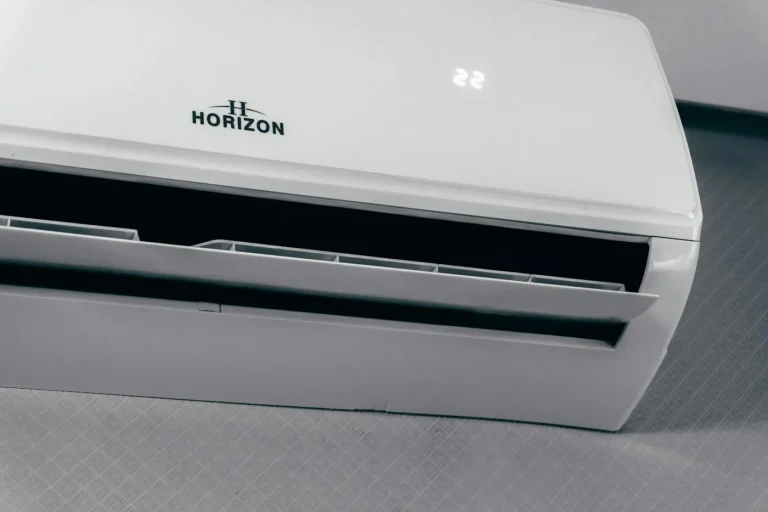
Reverse cycle air conditioners use a refrigerant cycle to remove heat from inside air and release it outside. The home is closed up, and the same air is cooled and recirculated.
Comfort on hot, dry days
On a classic Perth summer day, hot and dry with easterly winds, evaporative coolers can work well and bring in a constant flow of fresh air. Reverse cycle also performs well and can hold a precise temperature.
Humid days
When humidity rises, such as during summer storms or tropical moisture, evaporative cooling becomes much less effective, and the air can feel damp. Reverse cycle removes moisture as it cools, so it stays comfortable on humid days.
Heating
Evaporative coolers don’t heat. Homes with evaporative cooling usually have separate gas or electric heating. Reverse cycle systems heat and cool, so one system covers the whole year.
Running costs
Evaporative coolers generally use less electricity than refrigerated air conditioning, but they use water. Reverse cycle uses more electricity when cooling but can be very efficient, especially modern inverter systems, and can be powered partly by rooftop solar. If you also count heating, reverse cycle may compare well against gas heating.
Maintenance
Evaporative coolers need regular servicing to clean the tank, check pads and keep water fresh. Reverse cycle systems need filter cleaning and regular servicing too, but have no water reservoir.
Security and bushfire smoke
Because evaporative coolers need open windows, some people feel less secure using them at night. During bushfire smoke events, evaporative coolers draw in outside air, which isn’t ideal. Reverse cycle can recirculate indoor air with windows closed.
Fresh air versus recirculated air
One reason some Perth households love evaporative cooling is the feeling of fresh air moving through the house. Evaporative systems constantly bring in outside air and push stale air out through open windows. Reverse cycle systems recirculate and filter indoor air with the house closed up.
That difference matters on smoky days. During bushfire smoke or prescribed burns, an evaporative cooler pulls smoke inside, while a closed-up home running reverse cycle can stay more comfortable. It’s worth thinking about how often smoke affects your suburb.
Questions to ask yourself
- Do you need heating as well as cooling?
- Does your suburb get humid summer days or regular storms?
- Are you happy to leave windows open while cooling runs?
- Is anyone in the house sensitive to smoke, pollen or dust?
- Is there an existing evaporative system and ductwork you could reuse or replace?
Your answers usually point clearly in one direction.
A tale of two suburbs
Imagine two similar homes on the same 41-degree day. One is in Ellenbrook, well inland, where the air is hot and very dry. The other is in Halls Head, close to the water, where the sea breeze arrives mid-afternoon carrying moisture. The evaporative cooler in Ellenbrook delivers a strong cooling effect all day. The one in Halls Head works well in the morning but loses punch once humidity rises. A reverse cycle system would perform consistently in both homes.
That’s why the answer to this comparison often depends on where you live as much as what you prefer.
Which should you choose?
- Keep or service evaporative if your unit is in good condition, you mainly need dry-heat cooling and you have separate heating you’re happy with.
- Upgrade to reverse cycle if your cooler is old, you want heating and cooling in one, you struggle on humid days or you want to close up the house.
Learn more about our evaporative cooling services or talk to us about ducted air conditioning.
Weighing up an upgrade?
Call My HVAC Experts on 08 6156 7042 for honest advice and quotes on both options.
Related reading: What Size Air Conditioner Do You Really Need?
Frequently asked questions
Is evaporative cooling cheaper to run?
Evaporative coolers generally use less electricity than refrigerated cooling, but use water and don’t heat.
Does evaporative cooling work in humidity?
It becomes less effective as humidity rises.
Can I reuse evaporative ducts for reverse cycle?
Usually not, because the duct sizes and requirements differ. We’ll inspect your system and advise.
Does reverse cycle heat?
Yes. Reverse cycle systems heat and cool.
Which is better during bushfire smoke?
Reverse cycle, because it can recirculate indoor air with windows closed.