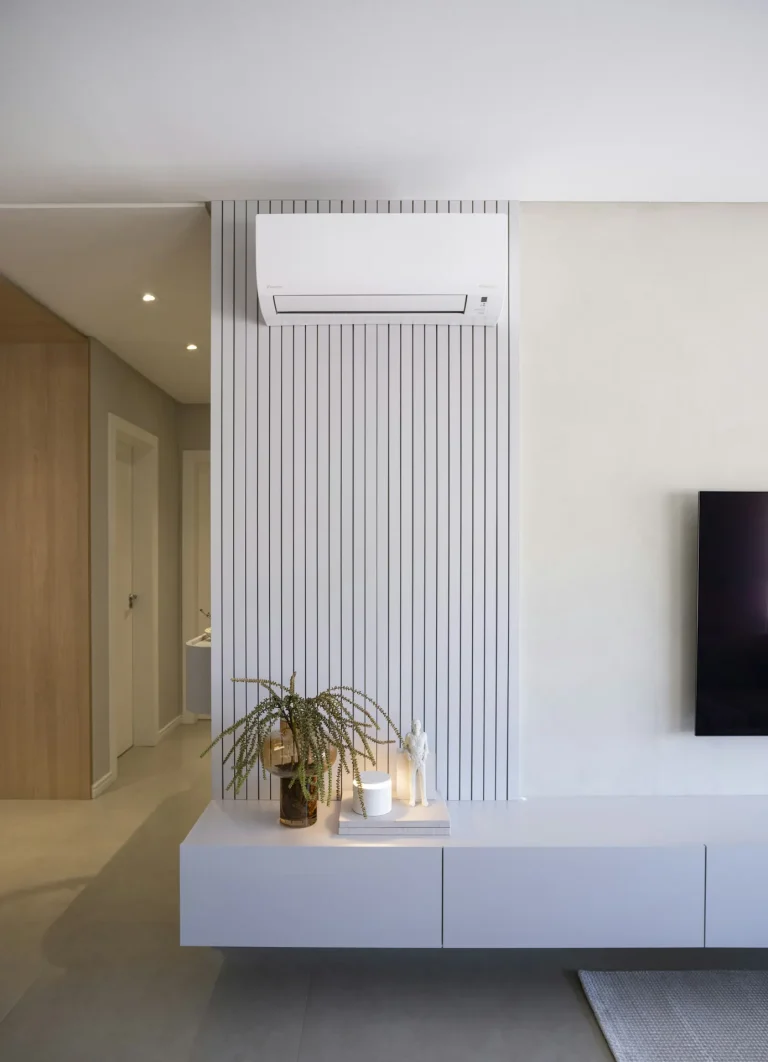
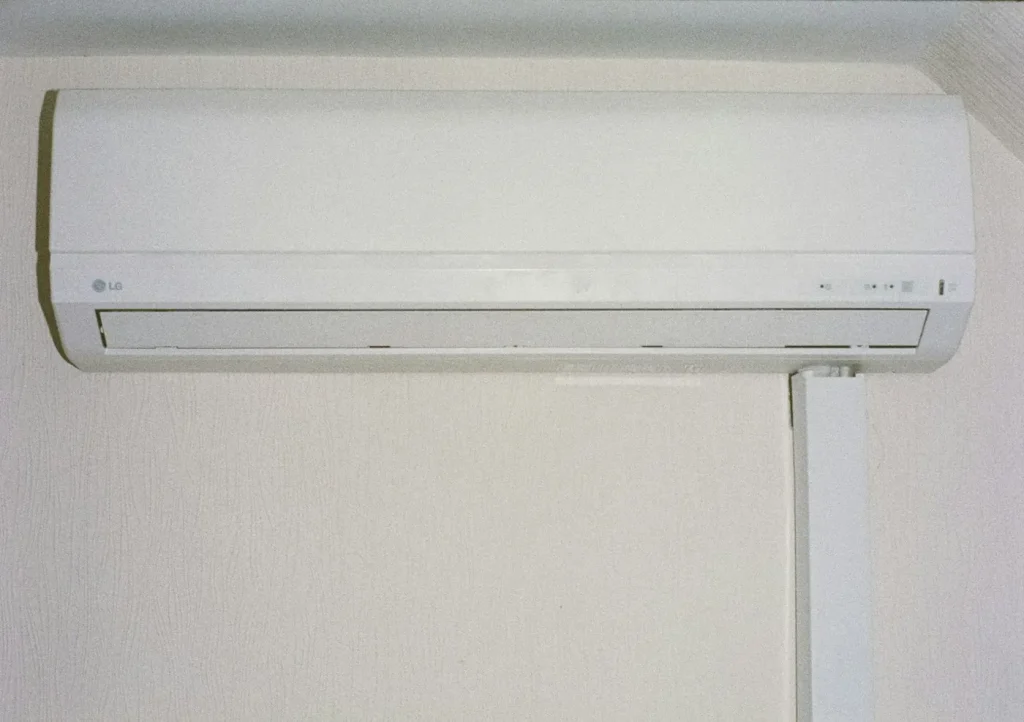
Most people focus on where the indoor unit will go, but the outdoor unit matters just as much. It’s where heat is released in summer and drawn in during winter. Good placement improves efficiency, reduces noise and makes servicing easier.
Airflow is the priority
Outdoor units need space to breathe. Manufacturers specify minimum clearances around the unit. If the unit is boxed in, hot air can recirculate, reducing efficiency and potentially causing the system to struggle on hot days.
Shade helps, but don’t block it
Placing the unit in shade, such as on the south or east side of the home, can help in Perth’s hot summers. But avoid enclosing it with structures that restrict airflow.
Noise
Keep outdoor units away from bedroom windows, both yours and your neighbours’. Avoid narrow side passages, where sound can echo. Check local noise rules if close to a boundary.
Access for servicing
Technicians need safe access to the unit for servicing and repairs. Units mounted high on walls or in hard-to-reach spots can make servicing harder and more expensive.
Mounting options
- Ground pad: stable and easy to access.
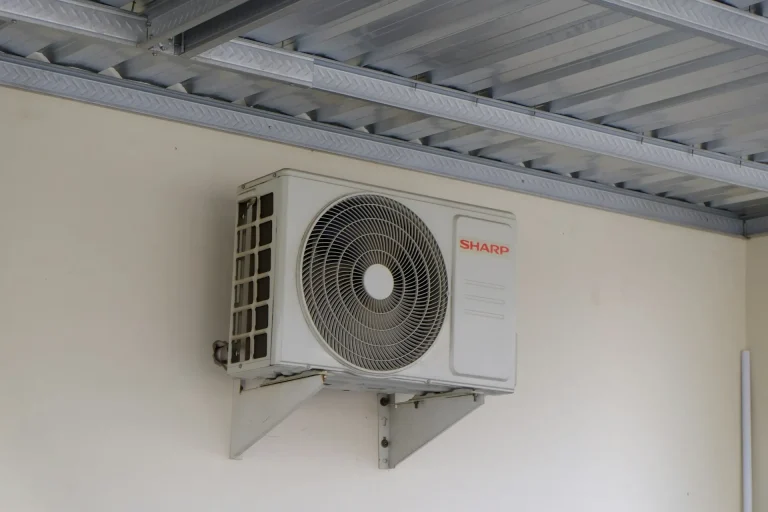
- Wall bracket: saves ground space but must be securely mounted on a solid wall.
- Roof mount: possible in some situations, but harder to access.
- Balcony: common in apartments, subject to strata rules.
Coastal considerations
In coastal areas, placing units on the side of the home sheltered from sea breezes can reduce salt exposure.
Drainage
In heating mode, outdoor units produce water during defrost cycles. Make sure water drains away from paths and doesn’t pool.
Common placement mistakes
- Squeezing the unit into a narrow side passage with no airflow
- Placing it directly under a bedroom window
- Putting it against a neighbour’s fence near their outdoor area
- Mounting it where it’s hard to service
- Leaving it in full afternoon sun with no consideration of airflow
Fixing a poor location later costs more than getting it right first time.
Wall brackets versus ground mounts
Ground mounts on a slab or plastic pad are common and easy to service. Wall brackets lift the unit off the ground, which can help in narrow spaces or where flooding or debris is a concern. Brackets need to be fixed securely to solid masonry. Either way, the unit should be level and stable.
Thinking about neighbours
Outdoor units make noise and blow warm air in summer. Placing them against a shared fence near a neighbour’s bedroom or outdoor area can cause tension. A quick conversation with neighbours before installation can avoid problems later.
Getting a quote
We’ll recommend the best location during your site assessment.
Getting advice
We’ll recommend the best spot for your split system air conditioning outdoor unit during our assessment.
Planning an install?
Call My HVAC Experts on 08 6156 7042 for advice on unit placement.
Related reading: Split System Remote Settings That Save Energy
Frequently asked questions
Where is the best place for an outdoor unit?
Somewhere with good airflow, shade if possible, away from bedrooms and with easy access.
Can the outdoor unit be enclosed?
Avoid enclosing it, as restricted airflow reduces efficiency.
Can the outdoor unit go on a wall?
Yes, on a secure bracket on a solid wall.
Does shade help?
Shade can help, as long as airflow isn’t restricted.
Why does water come from the outdoor unit in winter?
It’s normal during defrost cycles in heating mode.