Buying air conditioning is one of the bigger decisions you’ll make for your home. Get it right and you’ll be comfortable for the next ten to fifteen years. Get it wrong and you’ll live with hot bedrooms, noisy units or power bills that make you wince every quarter.
This guide walks through everything a Perth homeowner should think about, in the order it usually matters, so you can have a confident conversation with any installer.
Start with how you live, not the brochure
Before thinking about brands or kilowatts, think about your household. Which rooms do you use most in summer afternoons? Who works from home? Do the kids’ bedrooms bake at night? Do you need heating in winter, or just cooling? Is anyone sensitive to dust or allergies?
The answers shape everything else. A couple who mainly use an open-plan living area during the day need something very different from a family of five who want every bedroom cool at night.
The three main system types in Perth
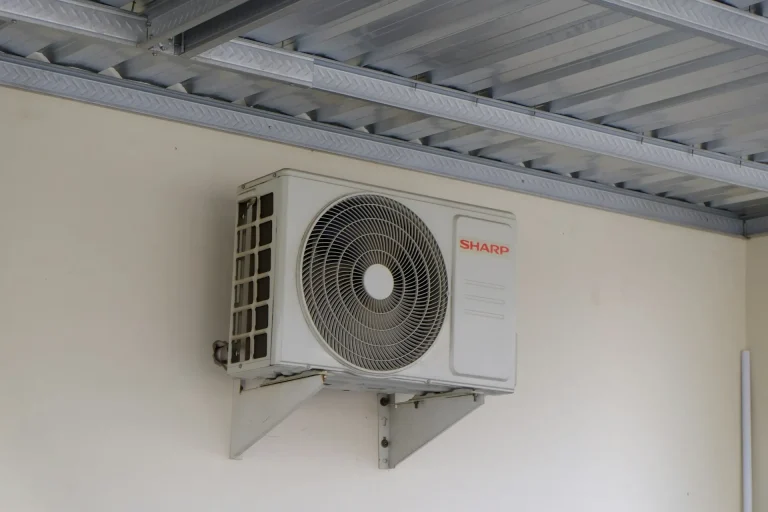
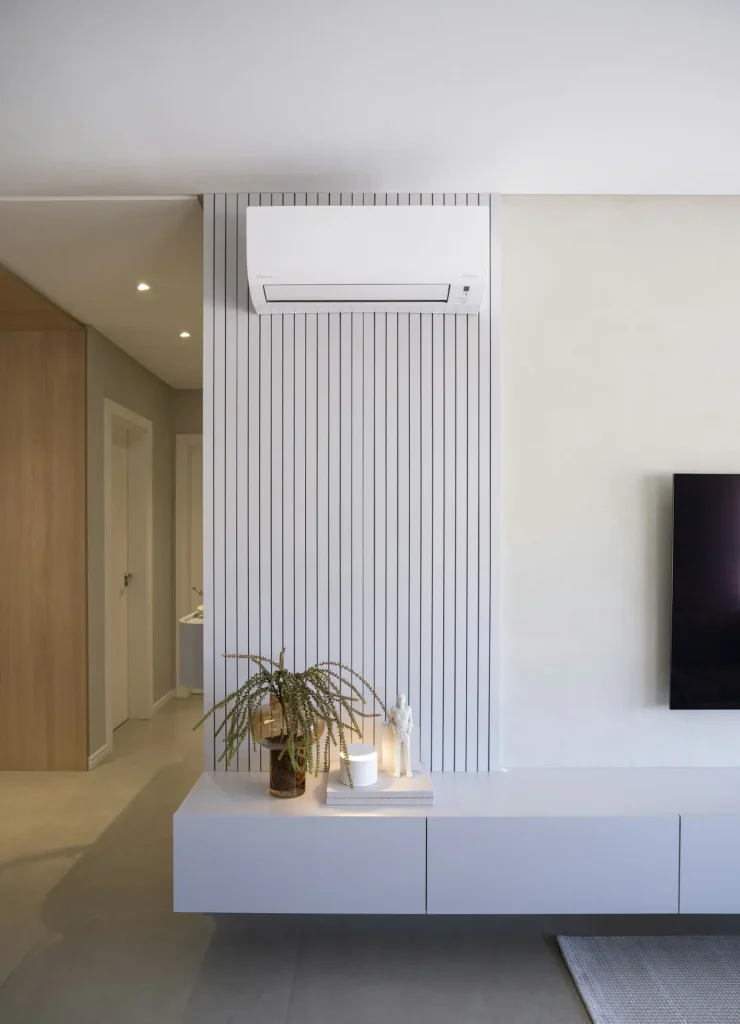
- Split systems: an indoor unit on the wall connected to an outdoor unit. Best for individual rooms or open-plan areas. Most are reverse cycle, so they heat as well as cool.
- Ducted reverse cycle: one indoor unit hidden in the roof space, with ducts to vents in each room. Best for whole-home comfort, with zoning to control areas separately.
- Evaporative cooling: a roof-mounted unit that cools air by passing it through wet pads. Common in Perth, effective on dry days, but cooling only and less effective on humid days.
Many homes use a combination, such as ducted for the main house and a split system in a studio or granny flat.
Why Perth’s climate matters
Perth’s summers are hot and mostly dry, with easterly winds that can push the mercury above 40 degrees before the sea breeze arrives in the afternoon. Some summers bring humid spells and storms too. Winters are mild but damp, and mornings can drop to single figures.
That combination is why reverse cycle systems are so popular here. One system handles both seasons, and modern units are efficient across Perth’s typical temperature range. Evaporative cooling still suits some homes, especially for dry-heat comfort, but it doesn’t heat and struggles in humidity.
Sizing: the most important decision
Air conditioners are rated in kilowatts (kW) of cooling and heating capacity. The right size depends on far more than floor area. Ceiling height, insulation, window size and direction, shading, the number of people and the heat from appliances all matter.
A west-facing living room with big windows and no eaves might need significantly more capacity than a similar-sized room facing south. That’s why a proper in-home assessment beats any online calculator. Undersized systems run flat out and still fall short on hot days. Oversized systems cost more upfront, cycle on and off and can leave rooms feeling clammy.
Efficiency and running costs
Look for inverter technology, which lets the compressor speed up and slow down to hold your set temperature instead of switching fully on and off. Check the Energy Rating label, which shows star ratings and estimated energy use. Higher-rated systems usually cost more to buy but less to run.
How you use the system matters just as much. Setting the thermostat around 24 to 25 degrees in summer, closing doors to unused rooms, using blinds on sun-facing windows and running the system while your solar panels are generating can all reduce running costs.
Installation quality
A good system badly installed will underperform. Things to ask about include where the indoor and outdoor units will go, how long the pipe runs are, how the condensate drain will run, whether electrical upgrades are needed and how the installer will finish pipework neatly.
Refrigerant work must be done by technicians holding the appropriate refrigerant handling licence, and electrical connections by licensed electricians. Don’t be shy about asking.
Coastal and Peel considerations
If you live near the coast, from Mandurah and Falcon up through Rockingham, Fremantle, Scarborough and the northern beaches, salt air can corrode outdoor units. Placement, protective coatings offered by some manufacturers and regular servicing all help equipment last.
Budgeting beyond the unit price
- Installation complexity, such as two-storey runs or difficult roof access
- Electrical upgrades or a dedicated circuit
- Removal of old equipment
- Zoning, controllers and Wi-Fi modules
- Ongoing servicing
When comparing quotes, make sure you’re comparing the same scope, not just the headline price.
Looking after your investment
Clean split system filters every few weeks in heavy use and book regular air conditioning servicing. Many warranties require it, and a clean system runs more efficiently and is less likely to fail in a heatwave.
Your next step
If you’re weighing up split system air conditioning, ducted air conditioning or evaporative cooling, the best next step is an in-home assessment. You’ll get a recommendation based on your actual home, and a written quote you can compare with confidence.
Want advice for your home?
Call My HVAC Experts on 08 6156 7042 to book an in-home assessment anywhere in Perth or Peel.
Related reading: Split System vs Ducted: Which Suits Your Perth Home?
Frequently asked questions
What is the best type of air conditioning for Perth?
There’s no single best type. Reverse cycle split or ducted systems suit many Perth homes because they heat and cool, but the right choice depends on your home and how you use it.
How long does air conditioning last?
With regular servicing, many systems last around 10 to 15 years, depending on use, quality and conditions such as coastal exposure.
Is evaporative cooling still worth it in Perth?
It can work well on hot, dry days, but it doesn’t heat and is less effective in humidity. Many people now choose reverse cycle for year-round comfort.
Do I need an in-home assessment?
It’s the best way to size a system properly, because window direction, insulation and ceiling height all affect what you need.
How can I keep running costs down?
Choose an efficient inverter system, set sensible temperatures, close off unused rooms, use window coverings and keep filters clean.