When you get a split system quote, you’ll often see the term back-to-back installation. It’s the simplest and most common type. Here’s what it means, and what changes when the units are further apart.
What is a back-to-back install?
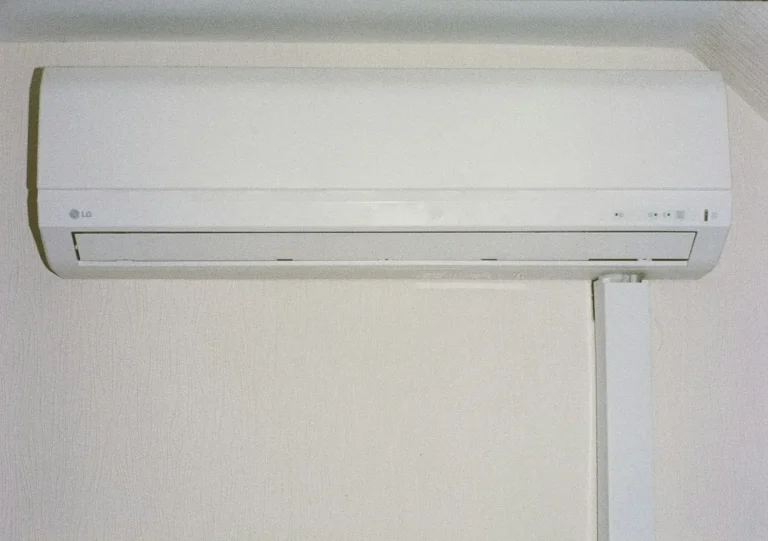
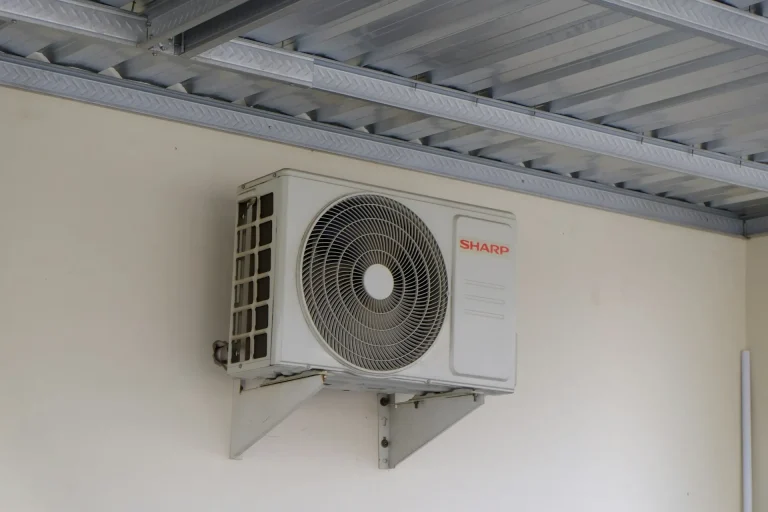
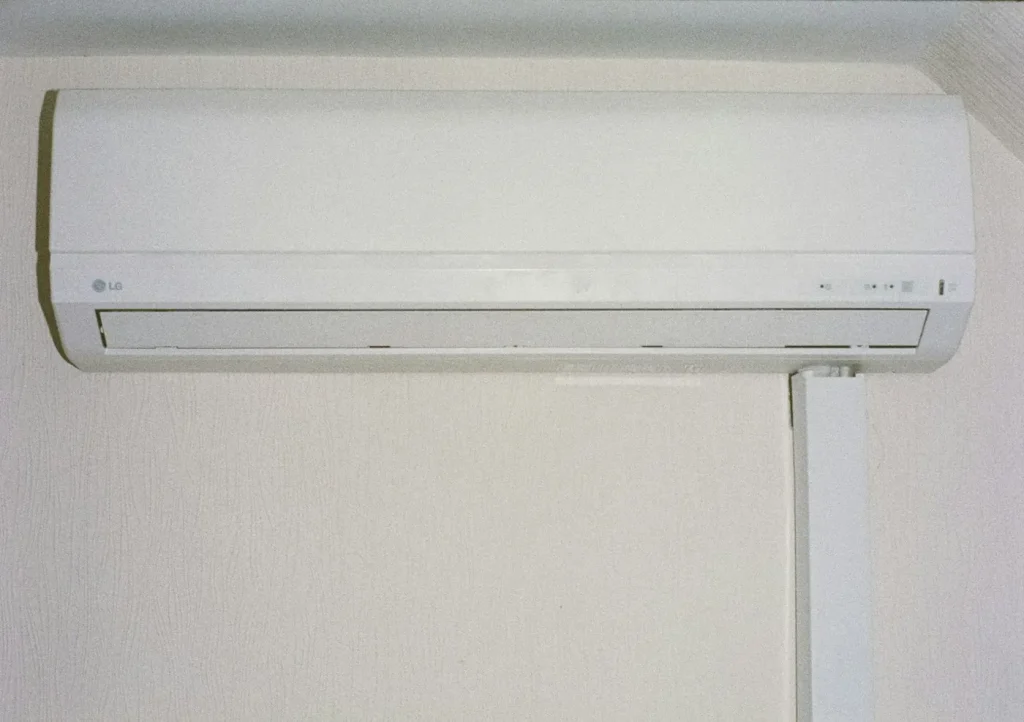
A back-to-back install is when the indoor unit is mounted on an external wall, and the outdoor unit sits directly on the other side of that wall. Pipes go straight through the wall with a short run. It’s quick, neat and usually the most affordable.
When back-to-back isn’t possible
- The indoor unit is on an internal wall
- The outside of the wall isn’t suitable for the outdoor unit
- The outdoor unit needs to go in a different location for noise or looks
- Two-storey homes where the indoor unit is upstairs
- Apartments with designated outdoor unit areas
How long runs affect cost
Longer pipe runs need more copper pipe, insulation, cable and labour. Pipes may need to run through roof spaces, under floors or along external walls with covers. Each extra metre adds to the cost.
How long runs affect performance
Every split system has a maximum pipe length set by the manufacturer. Longer runs may need additional refrigerant. Within the limits, performance is fine, but very long runs can reduce efficiency slightly.
Appearance
Pipes running along external walls can be covered with ducting covers that are painted or coloured to match. Internal runs can be hidden in roof spaces or wall cavities in some homes.
Drainage
Longer runs need careful planning for the condensate drain, which relies on gravity. In some cases, a condensate pump may be needed.
How pipe length affects performance
Every system has a maximum pipe length and a maximum height difference between indoor and outdoor units, set by the manufacturer. Within those limits, longer runs can slightly reduce efficiency and may need extra refrigerant added. Going beyond the limits can affect performance and warranty, so a good installer stays within the specifications.
Covering pipes on the outside wall
When pipes run along an external wall, they’re usually covered with a duct cover that can be painted to match the house. This protects the insulation from sun damage, which is important in Perth where UV breaks down exposed pipe insulation quickly. It also looks much neater than exposed pipes.
Running pipes through the roof
Sometimes the best option is to run pipes up through the wall cavity and across the roof space to an outdoor unit in a better location. This keeps pipes out of sight but adds complexity. The installer needs to check the roof space for access, and the drain may need a pump if it can’t fall naturally.
How we decide
We look at where you want the indoor unit, where the outdoor unit can go without bothering bedrooms or neighbours, and how the pipes can get between them. Then we explain the options and the trade-offs, so you can choose between the simplest install and the one that suits your home best.
Questions to ask when choosing
- Will the outdoor unit be near a bedroom window?
- Is the side of the house wide enough for airflow?
- How visible will the pipes be?
- Will the drain flow away naturally?
Cost and time differences
Back-to-back installs are usually quicker and simpler, with less pipe, fewer fittings and fewer potential leak points. Longer runs take more time and materials. We’ll explain the difference on your quote.
Getting an accurate quote
An in-home assessment lets us plan the best route for your split system air conditioning and give you an accurate quote.
Not sure which install you need?
Call My HVAC Experts on 08 6156 7042 for an assessment.
Related reading: Where to Put a Split System in the Bedroom
Frequently asked questions
What is a back-to-back installation?
When the indoor and outdoor units are on opposite sides of the same external wall, with a short pipe run.
Why do long pipe runs cost more?
They need more materials and labour, and may involve roof or underfloor work.
Is there a maximum pipe length?
Yes. Each manufacturer sets a maximum length for each model.
Can pipes be hidden?
Often, using covers outside or roof spaces and cavities inside.
Do long runs reduce performance?
Within manufacturer limits, performance is generally fine, though very long runs may slightly affect efficiency.