Once you’ve chosen your split system and booked the installation, it helps to know what to expect. A typical install is straightforward, but knowing the steps means fewer surprises and a smoother day.
Before the technicians arrive
- Clear the wall where the indoor unit will go
- Move furniture and valuables away from the work area
- Clear access to the outdoor unit location
- Make sure pets are secured
- Know where your switchboard is
Step 1: Confirm the plan
The technicians will confirm where the indoor and outdoor units will go, the pipe route and how the condensate drain will run. This is a good time to raise any last-minute questions.
Step 2: Mount the indoor unit
A mounting plate is fixed to the wall, and a hole is drilled for the pipes, cable and drain. Dust sheets protect floors and furniture.
Step 3: Install the outdoor unit
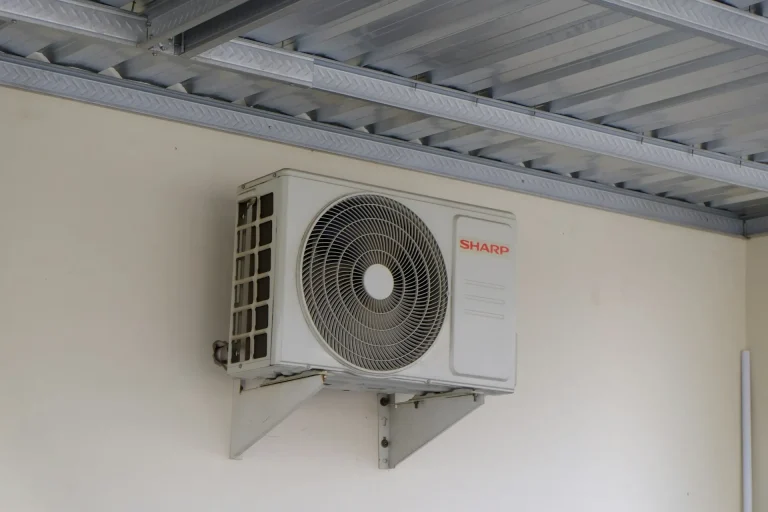
The outdoor unit is placed on a pad, stand or wall bracket, positioned for airflow and servicing access.
Step 4: Connect pipes and cables
Refrigerant pipes, the electrical interconnecting cable and the drain are connected between the units. Pipework is insulated and neatly covered where needed.
Step 5: Electrical connection
A licensed electrician connects the system to power, which may include a dedicated circuit or isolator switch.
Step 6: Vacuum and test
The refrigerant lines are evacuated to remove air and moisture, then the system is charged and tested in cooling and heating modes. This step is important for long-term performance.
Step 7: Handover
You’ll be shown how to use the remote, set timers and clean the filters. The work area is cleaned up.
Before the installer arrives
A little preparation helps the day run smoothly. Clear the wall where the indoor unit will go and move furniture away by a metre or so. Make sure there’s clear access to the outdoor unit location and the switchboard. If you have pets, keep them in another room or the yard. Let neighbours know if the outdoor unit will be near a shared fence.
Drilling through Perth walls
Most Perth homes are double brick, so the installer uses a core drill to cut a neat hole through both skins for the pipes, cable and drain. It’s noisy for a few minutes and creates some dust, which the installer will clean up. In timber-framed or lightweight homes the process is quicker.
Pressure testing and vacuuming
Once the pipes are connected, a good installer pressure tests the joints to check for leaks, then vacuums the lines to remove air and moisture before releasing the refrigerant. This step takes time, but it’s important. Skipping it can shorten the life of the system and lead to performance problems.
Electrical connection
The system needs a safe power supply. Depending on the system and your switchboard, this may involve a new circuit, an isolator near the outdoor unit and a safety switch. Electrical work in WA must be done by a licensed electrician.
After installation
Before leaving, the installer should run the system in cooling and heating modes, check for leaks, show you how to use the remote and explain how to clean the filters. You should receive warranty information and an invoice. Keep these together, as they’ll help with any future warranty claims.
How long it takes
A straightforward back-to-back install often takes a few hours. Longer pipe runs, second-storey installs, wall-mounted outdoor units or new electrical circuits add time. If you’re having several systems installed, it may take a full day or more. We’ll give you a time estimate when we quote.
How long does it take?
A standard back-to-back split system air conditioning install often takes a few hours. Longer pipe runs, two-storey installs or electrical upgrades take longer.
Ready to install?
Call My HVAC Experts on 08 6156 7042 to book your split system installation.
Related reading: Back-to-Back Installs vs Long Pipe Runs Explained
Frequently asked questions
How long does a split system installation take?
A standard install often takes a few hours. Complex installs take longer.
Do I need to be home?
Yes, at least at the start and end, so the plan can be confirmed and the system handed over.
Will there be mess?
Drilling creates some dust, but technicians use dust sheets and clean up afterwards.
Is electrical work needed?
Some installs need a dedicated circuit or isolator. This is done by a licensed electrician.
Why is the system vacuumed?
Evacuating the lines removes air and moisture, which helps the system run properly and last longer.