It’s the question we’re asked most: should I get split systems or ducted? The honest answer is that it depends on your home, how you use it and your budget. Here’s a clear comparison to help you decide.
How each system works
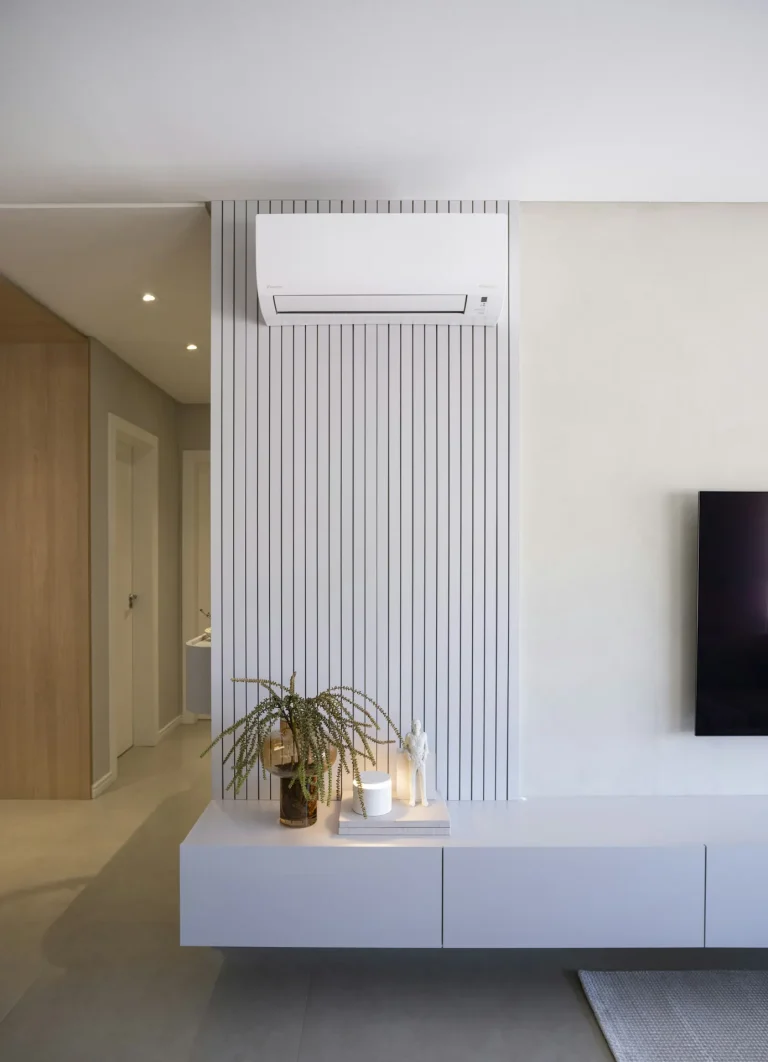
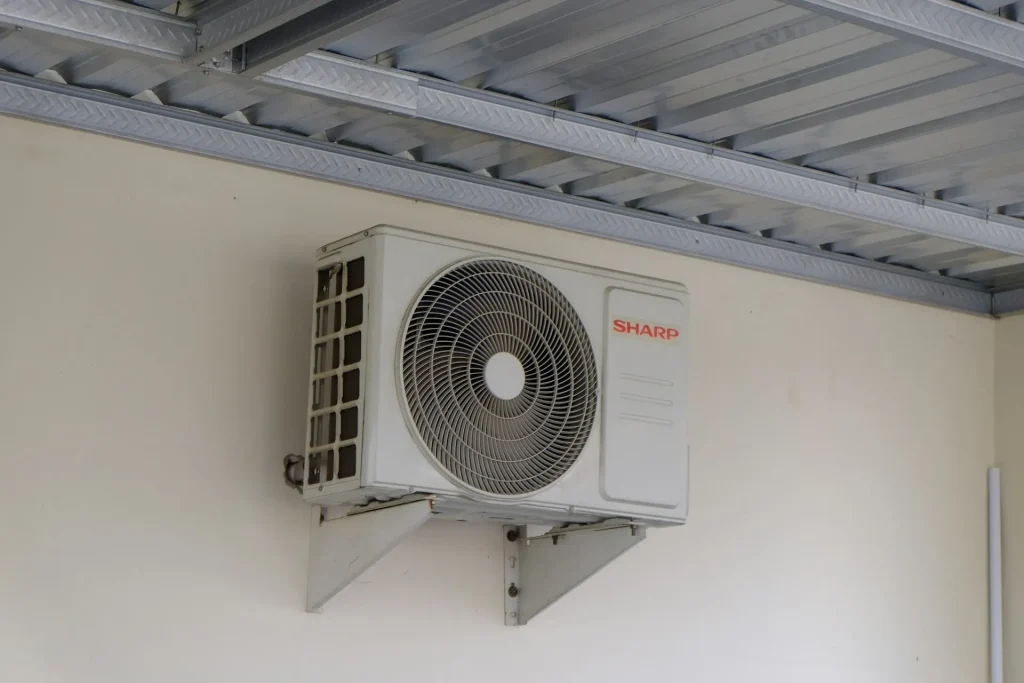
A split system has an indoor unit mounted on the wall and an outdoor unit outside, connected by refrigerant pipes. Each split system conditions one room or area.
A ducted system has a single indoor unit hidden in the roof space and an outdoor unit outside. Air is distributed through insulated ducts to vents in the ceiling or floor of each room, and returns through a return air grille.
Upfront cost
One or two split systems usually cost less than a ducted system. But if you want to condition most of the home, several split systems can add up, and ducted may become better value. The crossover point depends on the number of rooms and the complexity of the installation.
Comfort and coverage
Ducted systems give consistent comfort across the whole home, with zoning to control areas. Split systems are great for the rooms they’re in, but hallways and other rooms rely on air drifting through. If you want every bedroom comfortable at night, ducted often wins.
Running costs
Split systems can be very economical because you only run the rooms you’re using. Ducted systems can be efficient too, especially with zoning, but conditioning the whole home costs more than cooling one room. How you use the system matters more than the type.
Looks and noise
Ducted systems are discreet: just vents and a controller. Split systems have a visible indoor unit on each wall. Both have outdoor units, and placement matters for noise, especially near bedrooms or neighbours.
Installation
Split systems are usually installed in a few hours each. Ducted installations take one to several days and need adequate roof space. Homes with flat roofs, very low roof spaces or certain construction types may not suit ducted.
A quick decision guide
- Choose split systems if you want to cool one to three rooms, have a smaller budget or live in an apartment.
- Choose ducted if you want whole-home comfort, discreet looks and zoning, and have suitable roof space.
- Consider a mix if you have a granny flat, studio or extension that’s separate from the main house.
How each system handles a Perth summer day
Picture a typical February day in Perth. The easterly is blowing by 9am, it’s 38 degrees by lunch and the sea breeze may or may not arrive. In a home with split systems, you might run the living room unit from early afternoon and switch on the bedroom units an hour before bed. In a home with ducted, you’d open the living zone in the afternoon and swap to the bedroom zone in the evening.
Both approaches work. The difference is control. Splits are switched on room by room, while ducted is managed from one controller with zones. Households that like to set and forget often prefer ducted. Households that only cool one or two rooms at a time often find splits more economical.
Looks, noise and what you see in each room
A split system puts a visible wall unit in each room it serves. Modern units are slimmer and quieter than older models, but they’re still on the wall. Ducted systems hide the indoor unit in the roof space, so all you see are ceiling outlets and a return air grille.
Noise is usually low with both. Ducted can be quieter in the room itself because the fan sits in the roof, while splits are generally quiet on low fan speeds. Outdoor units for both need thoughtful placement away from bedroom windows, yours and the neighbours’.
Installation and disruption
A single back-to-back split is often installed in a few hours. Several splits might take a day. Ducted installation is a bigger job, involving work in the roof space, cutting ceiling outlets and running ductwork, so it typically takes longer and needs good roof access.
Homes with very low-pitched roofs, limited roof space or flat roofs can make ducted harder. Double brick walls are routine for split installs in Perth, but pipe routes still need planning. We look at all of this during the site assessment.
Thinking about the long term
Think about how long you’ll stay in the home and how your needs might change. A young family may soon need bedrooms cooled at night. A couple downsizing may only use two rooms. Ducted can add appeal for buyers in some markets, while splits can be added one at a time as budget allows.
There’s no single right answer, but there is a right answer for your home and household. That’s what an honest assessment should give you.
Can you mix both?
Yes. Some Perth homes run ducted for the main living areas and bedrooms, with a split system in a home office, granny flat, studio or extension that the ducted system doesn’t reach well. This hybrid approach can be practical when a renovation adds space or one room has very different needs, such as a west-facing study.
Getting advice
We install both split system air conditioning and ducted air conditioning, so we’re not pushing one over the other. We’ll look at your home and give you honest advice.
Still unsure?
Call My HVAC Experts on 08 6156 7042. We’ll assess your home and explain which option suits it best.
Related reading: Evaporative vs Reverse Cycle: The Perth Comparison Everyone Asks For
Frequently asked questions
Is ducted more expensive than split systems?
Upfront, ducted usually costs more than one or two split systems, but can be better value if you want to condition most of the home.
Which is cheaper to run?
It depends on how you use it. Split systems are economical for single rooms, while zoned ducted systems can be efficient for whole-home comfort.
Can I have both?
Yes. Many homes use ducted for the main house and split systems for separate areas.
Does every home suit ducted?
No. Ducted needs adequate roof space. Some homes with low or flat roofs may not suit it.
Which is quieter?
Both can be quiet. Indoor ducted units are hidden in the roof, while split system indoor units are in the room. Outdoor unit placement affects noise for both.